
Orthokeratology in a Young Patient with Allergic Conjunctivitis


26/05/2026

Background

With up to 20% of children affected by seasonal allergies¹ and many requiring regular eye drops, daytime contact lens wear can become difficult during peak allergy seasons. This case shows how orthokeratology can help an active teenager control myopia while continuing to enjoy sport free from the discomfort and inconvenience of daytime lenses.

ITAL LENT
Design:
Ortho-K Alexa AR
Material: Optimum Infinite (180 Dk)

Patient History

A 15-year-old male patient, a student and occasional athlete, presents for consultation. The main reason is to find an alternative to spectacles that allows him to perform sports activities freely and, importantly, to slow the progression of his myopia.

Background:
– Myopia diagnosed several years ago, still progressing
– History of allergic rhinitis

Initial Clinical Findings

UNCORRECTED VA
RE 20/70
LE 20/150
REFRACTION
RE -1.00 -1.00*10
LE -2.00 -1.00*175
KERATOMETRY
RE 42.00/44.00*170 K AVG 43.00
LE 42.50/44.00*10 K AVG 43.25

Biomicroscopy

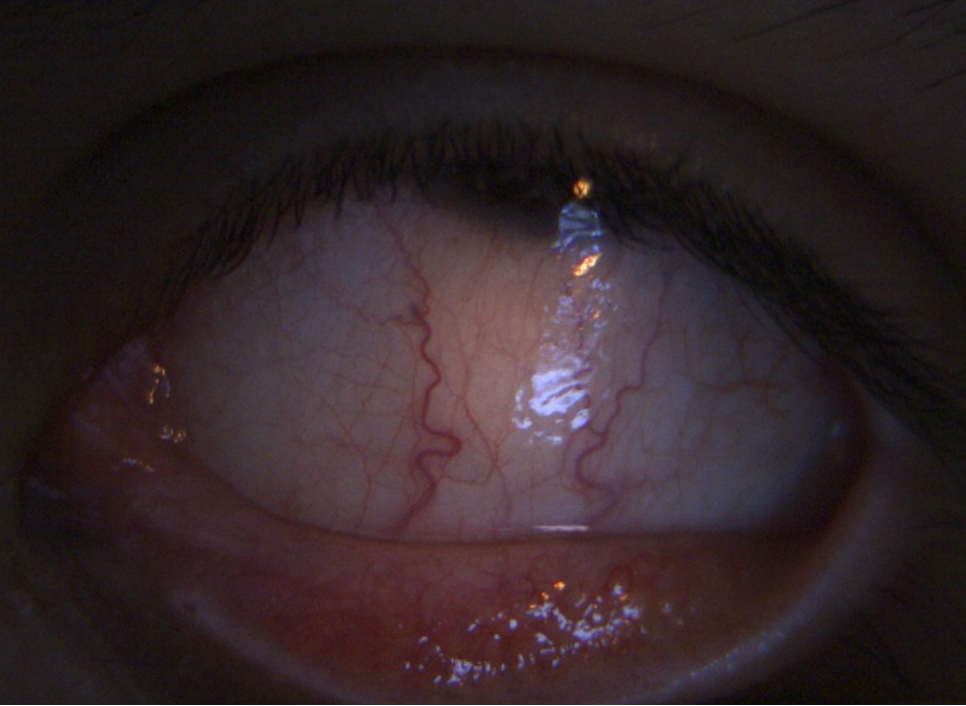
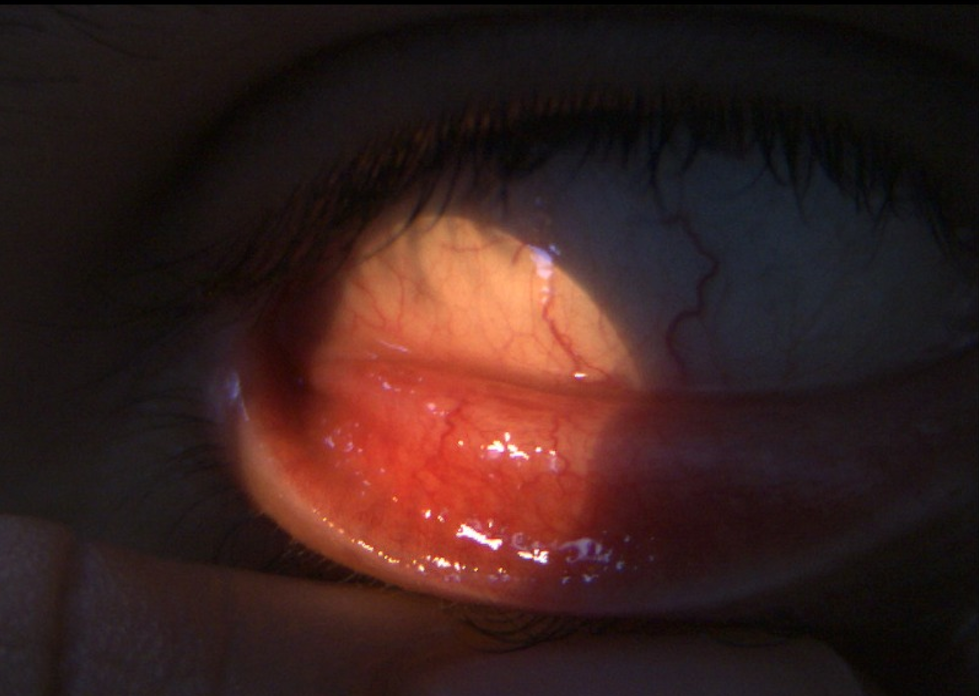
Generalised grade 3 papillary conjunctivitis is observed in both eyes, indicating significant inflammation that could cause discomfort when fitting contact lenses. Break up time (BUT) 5 seconds in both eyes.

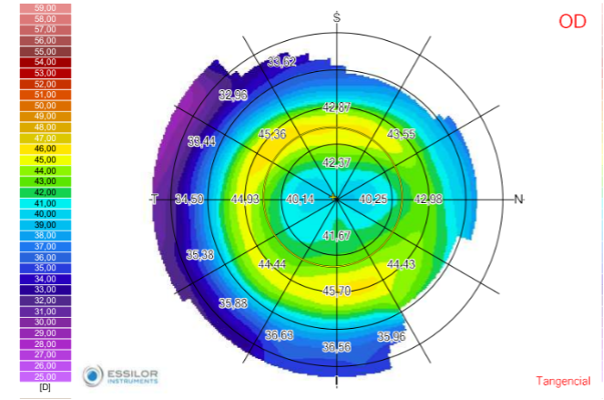
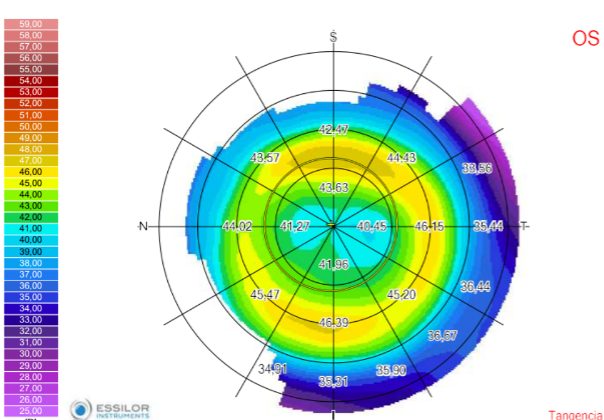
Corneal Topography

It is concluded that the patient is suitable for Orthokeratology treatment using the Alexa AR design and Optimum Infinite material.

Trials are carried out according to the design recommendations. An anti-inflammatory is recommended to improve the anterior segment, making the patient suitable for orthokeratology fitting.

Final Lenses

EYE TOR C PW C POT DIA DESIGN
OD T12 K 02 10.8 ALEXA AR
OS T12 L 03 10.8 ALEXA AR
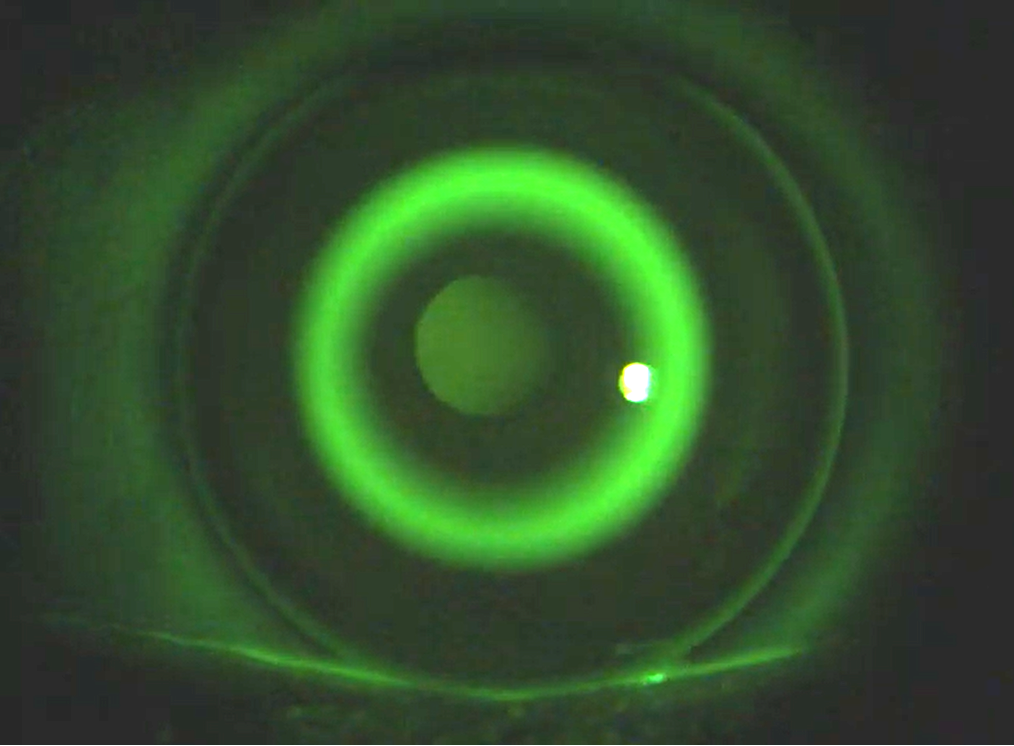
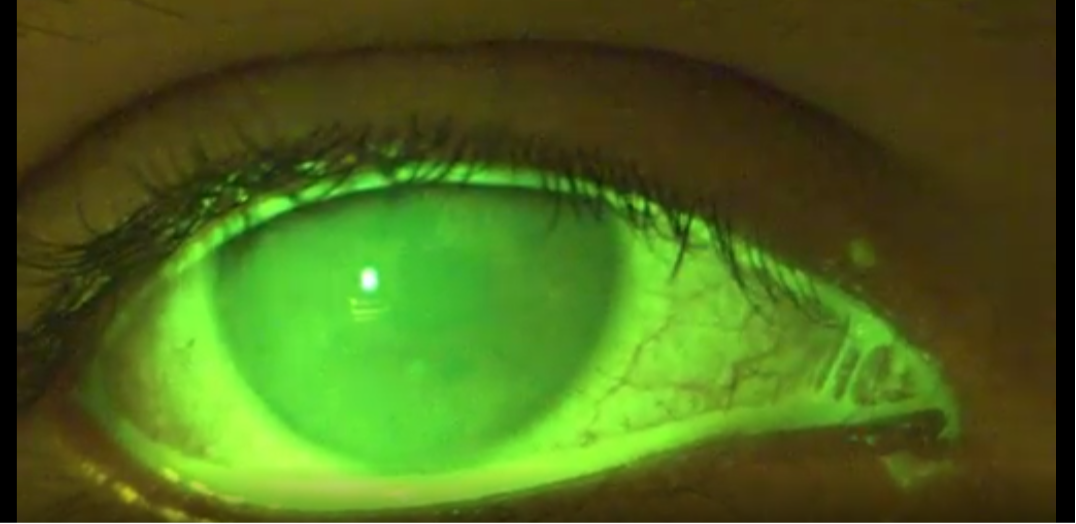
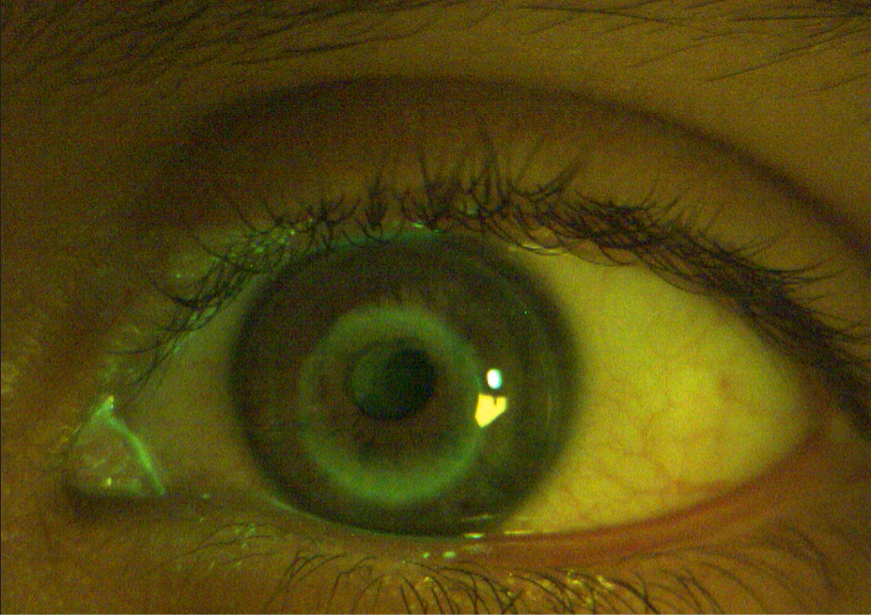
FLUORESCEIN PATTERN OD
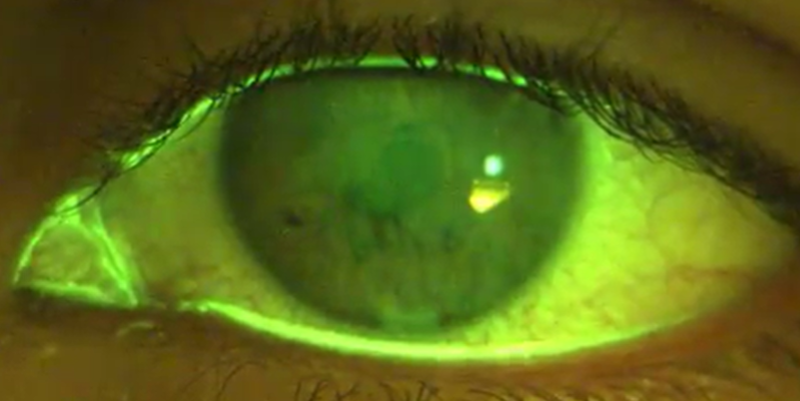
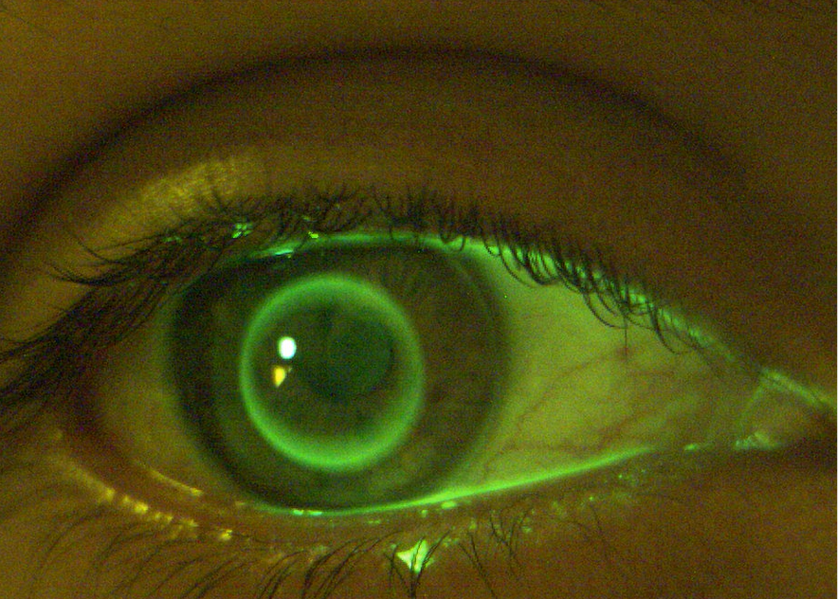
FLUORESCEIN PATTERN OS

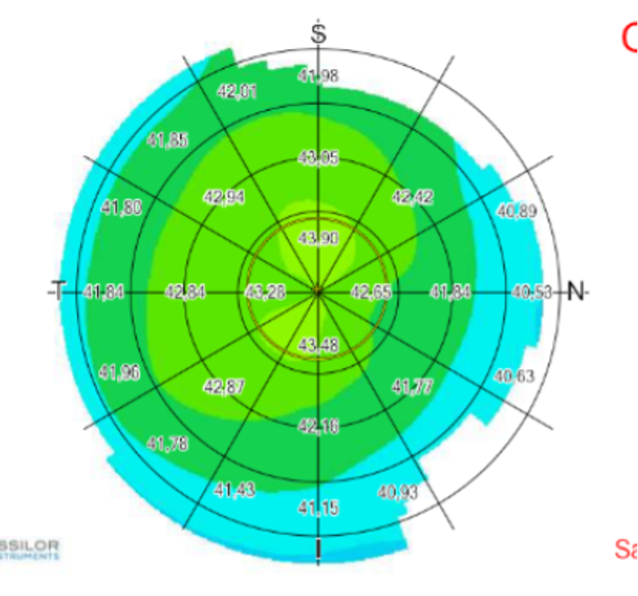
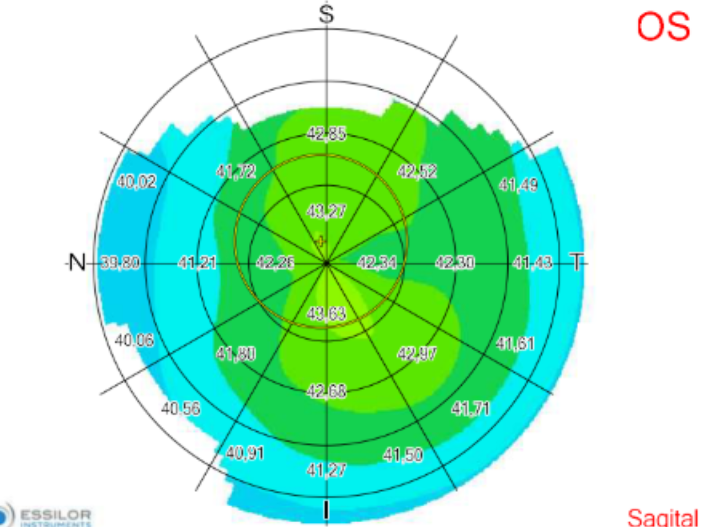
Post-Moulding Topography

Post-treatment topography showed a perfectly oblate pattern with the treatment zone well centred in both eyes. Corneal health remained excellent, with no staining or anterior segment changes, demonstrating the effectiveness of high oxygen transmissibility.

RECOMMENDED MATERIAL:

Justification for the Material: Why Optimum Infinite (180 Dk)?

  • Ocular Surface Compromise: “I knew the patient had an inflammatory predisposition (GPC and allergies). Choosing Infinite (180 Dk) instead of a Dk 100 was not optional; it was a critical safety measure. A cornea with a low BUT and inflammatory history requires maximum oxygenation during overnight wear to avoid any hypoxic stress that could reactivate the papillary response.”

  • Hours of sleep: To ensure maximum oxygen capacity during sleeping hours, thereby guaranteeing good ocular health.

  • Final VA (unaided): RE 20/20 LE 20/20

  • Topography: A satisfactory oblate pattern is observed with a reduction in the initial keratometric values, confirming effective corneal moulding.

  • Ocular Health: The cornea remains healthy and free of staining, validating the safety of Infinite material for prolonged Ortho-K treatments.

References

1.https://www.cdc.gov/nchs/products/databriefs/db546.htm#:~:text=Diagnosed%20Allergic%20Conditions%20in,McClain%2C%20M.P.H.

Author spotlight

Ricardo Mojica Leal

Dr Ricardo Mojica Leal graduated as an optometrist from La Salle University (ULSA), with a diploma in Primary Eye Care. He now has more than 45 years of clinical experience in contact lenses and over thirty years dedicated to university teaching, and has been a key figure in the education of generations of optometrists and ophthalmologists in Colombia and Latin America. He has been a pioneer in the development of gas permeable contact lens designs in South America, and has led significant academic and scientific initiatives that have driven innovation and strengthened professional practice in optometry. He currently serves as Scientific Director of Ital Lent S.A.S., a leading company in the Colombian contact lens market, where he continues to promote scientific excellence, applied research, and professional development. In addition, he actively participates as a speaker at various national and international events, sharing his knowledge and experience with the optometric and ophthalmological community.